
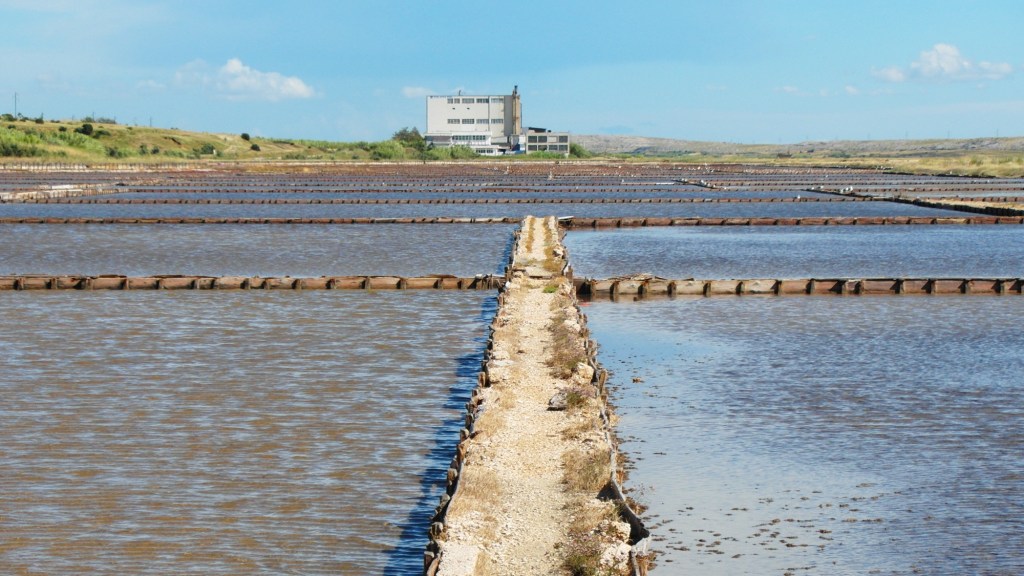
Water is an indispensable abiotic factor for life—it is a powerful solvent used to dissolve nutrients, transport nutrients, support cell structure, and flush toxins from organisms. Yet 4 billion people (around half of the global population) “experience severe water scarcity for at least one month each year” (UNICEF).
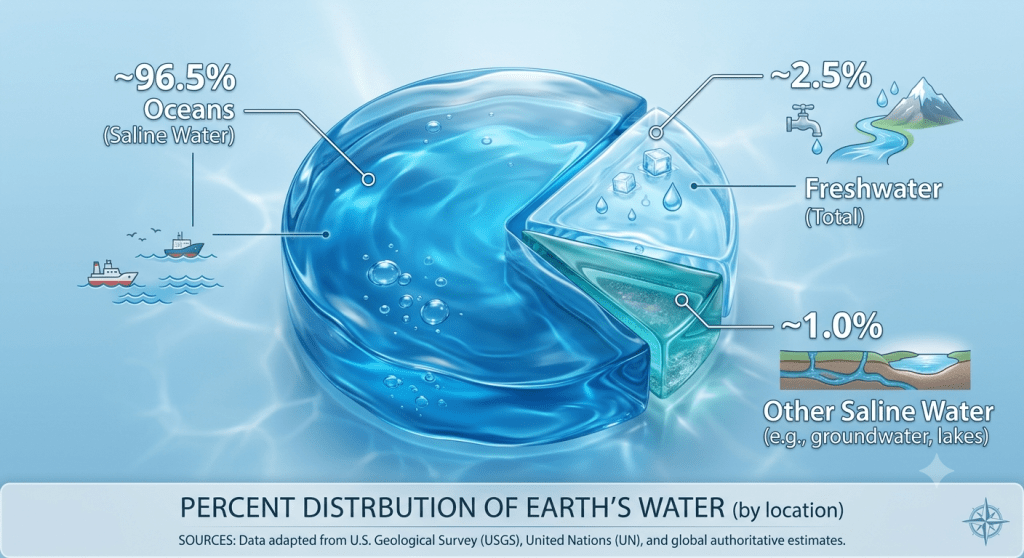
Why is water scarcity such an alarming issue? 70% of Earth, dubbed the “Blue Planet”, is covered in water–and over 97% of that water is in our oceans (NGWA). Yet only 0.3% of Earth’s water is usable, and much of that water is almost impossible to obtain (NGWA).
It seems logical, then, that the solution to our global water crisis is to just drink some of this abundant ocean water. This is not ideal for a multitude of reasons.
You’ve probably heard that drinking ocean water straight from the sea is highly dangerous for humans. It’s not because seawater contains some obscure toxin, but rather an abundance of salt. Salt (NaCl), particularly sodium, is an essential mineral that helps generate the electrochemical gradient across cell membranes, allowing our heart to pump and other muscles to function properly.
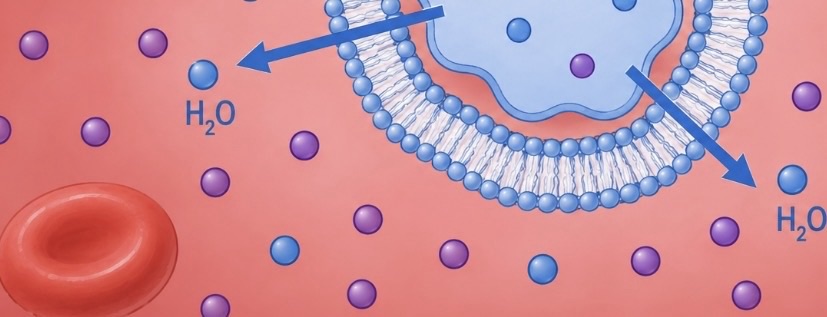
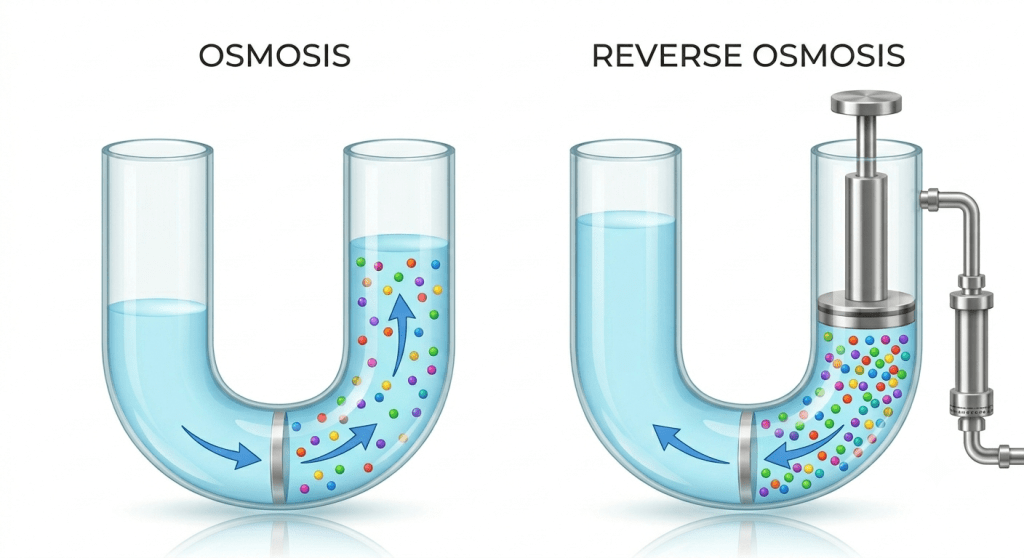
But most people already get enough salt from the food we eat: saltwater would only add excess sodium, causing hypernatremia* and harmful osmotic* imbalance. Water always moves from areas of lower solute concentration to areas of higher solute concentration. Therefore, when salt (the solute) accumulates within the blood, water exits cells in order to dilute the concentrated blood.
Drinking ocean water can cause severe dehydration, seizures, coma, permanent brain damage, and even death. While the kidneys help with flushing out excess solute, ocean water exceeds the maximum salt concentration of urine. Thus, the kidneys actually use up more fresh water to get rid of the salt from drinking seawater.
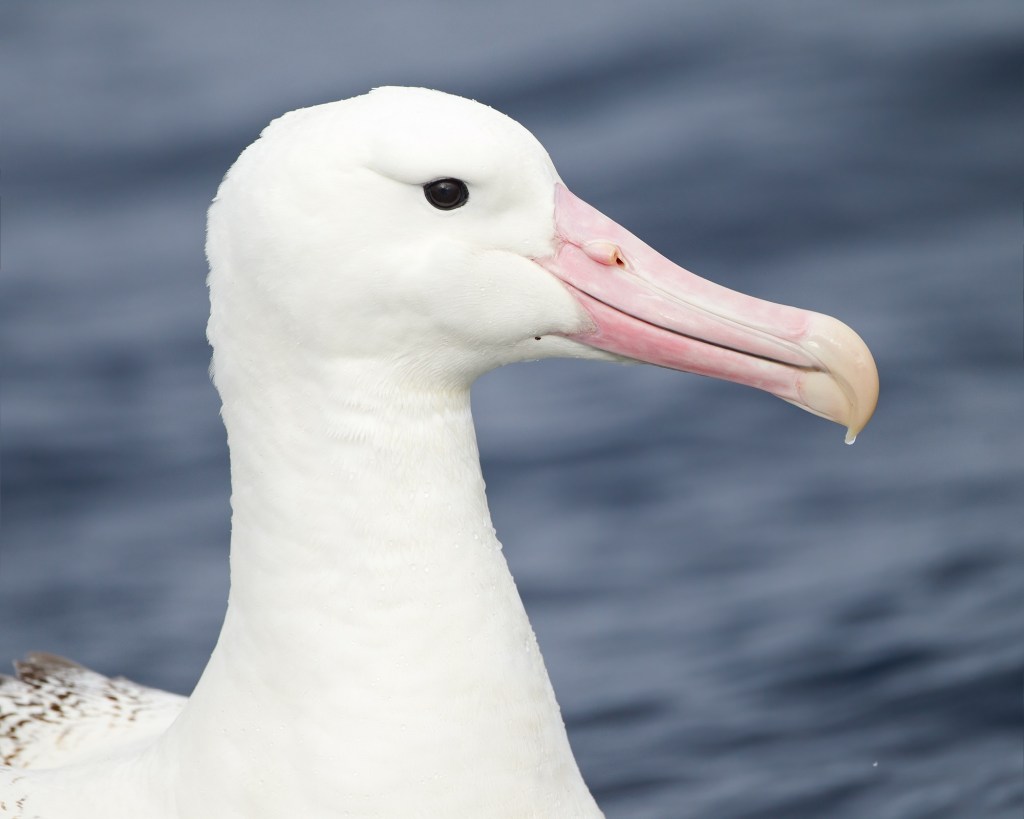
Some seabirds (such as penguins, albatrosses, and pelicans) can drink seawater without any harmful effects. This superpower is attributed to their ability to desalinate using special salt glands above their eyes, which act as tiny kidneys to filter and secrete excess minerals from their beaks. While humans cannot harness these biological mechanisms yet, we can replicate the process of desalination through industrial facilities.
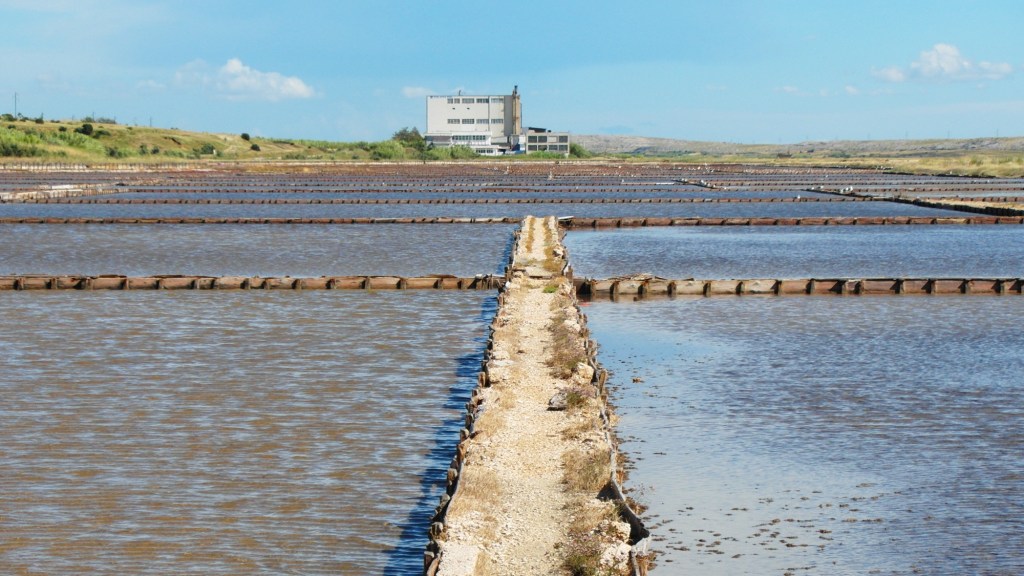
Firstly, how does desalination work? There are several methods that can be categorized into thermal desalination (i.e. solar distillation, vacuum distillation, vapor compression distillation), and membrane-based distillation. The most common type of membrane distillation is reverse osmosis (RO). RO pumps water through a semipermeable membrane in the opposite direction of osmosis, resulting in purified water on one side and concentrated solute on the other. RO and many other types of desalination are highly effective in purifying seawater.
Why, then, can’t we just remove the salt from saltwater and use it for consumption? It turns out that desalination has its own consequences for consideration.
- It’s Expensive
Unlike some water conservation or waste purification programs, desalination doesn’t save money–it costs money, and a lot of it. Desalination requires around $2,100 per acre-foot* of water. It could potentially raise the prices of water 10,000%!
- It can harm marine life
Desalination often requires chemicals such as hydrochloric acid, chlorine and hydrogen peroxide. When these chemicals are disposed of, posing a direct threat to marine organisms. Also, dumping the concentrated waste product from desalination could spike sodium levels in the sea, decreasing oxygen levels and suffocating plants and animals. What’s more, open-ocean pipes used in traditional desalination processes accidentally vacuum organisms against the filtration membrane, killing billions of marine animals daily.
- It’s unhelpful for global warming
Desalination requires a lot of energy, and releases a lot of carbon dioxide. Desalinating 20-40 million gallons of sea water daily could dump up to 146,000 metric tons of carbon dioxide into the atmosphere, equivalent to emissions from tens of thousands of cars. Climate change from increased greenhouse gas emissions can actually increase chances of drought, leading to more water scarcity.
As you can see, the current system of desalination poses great challenges. In the meantime, we can still help mitigate water shortages with the following actions:
- Reduce Water Usage
Take shorter showers, turn off the tap once you’re done using it, and check for leaks in toilets and faucets–this can save thousands of gallons per year.
- Utilize recycled or naturally occurring water sources
Rainwater can be diverted from areas with abundant rainfall to places where it’s needed most. Using recycled waste water for irrigation can be an efficient way to cycle essential agricultural nutrients while saving freshwater
The solution to our growing water crisis isn’t simple. In fact, it highlights the complex biological mechanisms used to maintain homeostasis* within organisms and balance in ecological systems. Water is crucial for life at every level, from each cell to entire ecosystems. In the future, studying and harnessing natural processes can help us create innovative solutions to global challenges.
*Hypernatremia: high sodium concentration in the blood (greater than 145 mEq/L)
*Osmosis is the movement of water through a semipermeable membrane, such as cell membranes.
*Acre-foot: measurement for large quantities of water; one acre-foot of water can cover an acre in 1 foot of water
*Homeostasis: organisms maintaining an internal balance by adjusting to external changes
References:
Desalination Basics. (2025). Energy.gov. https://www.energy.gov/cmei/ito/desalination-basics
Mullen, K. (2019). Information on Earth’s water. Ngwa.org. https://www.ngwa.org/what-is-groundwater/About-groundwater/information-on-earths-water
Newara Brosnan-Faltas. (2019, March 9). 5 Reasons Desalination is a Terrible Idea. Surfrider.org; The Surfrider Foundation. https://la.surfrider.org/news/5-reasons-desalination-is-terrible-idea
SDWF. (n.d.). Desalination. Safe Drinking Water Foundation. https://www.safewater.org/fact-sheets-1/2017/1/5/desalination
UNICEF. (2020). Water Scarcity. UNICEF. https://www.unicef.org/wash/water-scarcity
Williams, R. (2025, August 5). How Do Seabirds Drink Salt Water? Audubon. https://www.audubon.org/magazine/how-do-seabirds-drink-salt-water


Leave a comment