
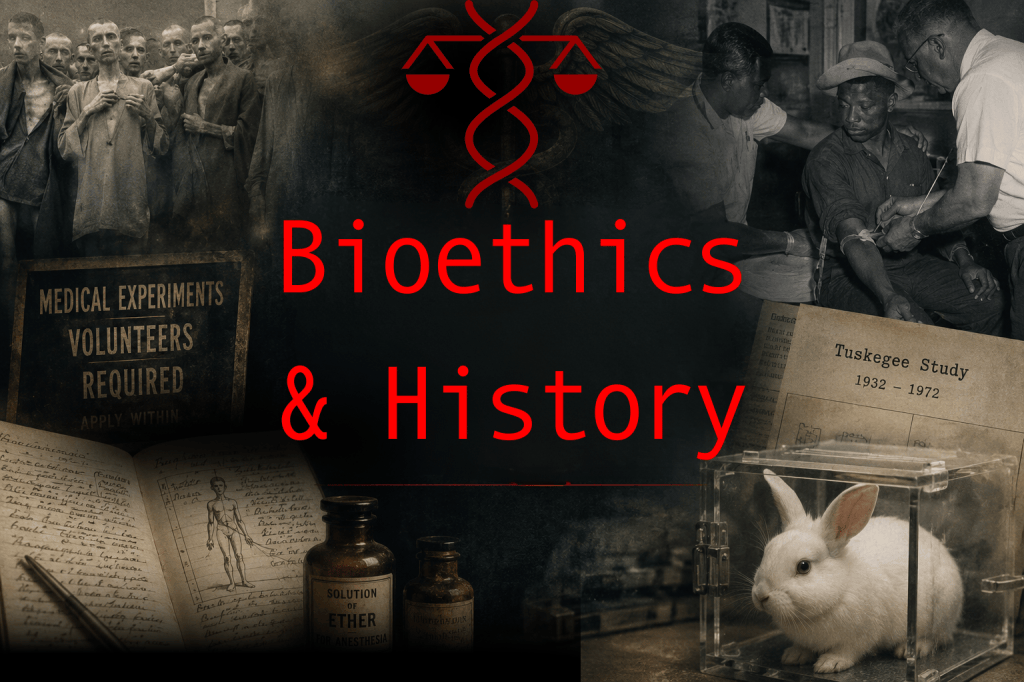
Humans are capable of extraordinary medical innovation, but also of inflicting terrible suffering. What happens when these traits weave together to form complex, twisted patterns in medical history? In this article, we will discuss major bioethics violations in the 20th century and beyond, and the importance of clinical beneficence.
Warning: This article contains graphic descriptions and depictions of violence that may be disturbing to some readers. Please proceed with caution.
Unit 731. A topic rarely taught in Western curricula and largely glossed over in Japanese textbooks. It was a secret Japanese biological warfare research operation that committed horrifying crimes against their subjects. The victims–mostly Chinese, with some Korean and Soviet prisoners–were referred to as 丸太 (maruta), meaning “logs”. Out of ~3,000-12,000 prisoners, no one survived. In Unit 731, innocent people were reduced to objects of experimentation: historical accounts report that they were dissected live without anesthesia, suffered in extreme cold to test the effects of frostbite, were infected with deadly diseases, and centrifuged in high-pressure chambers. These experiments were done to test the limits of the human body, all while violating the ethical boundaries of medicine and human dignity.
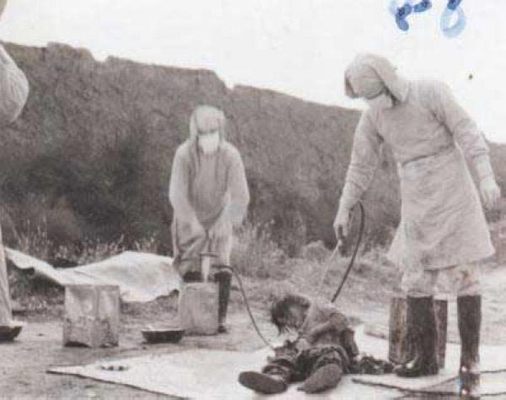
What stands out is how none of the perpetrators of Unit 731 were prosecuted. After WWII, the Unit 731 leaders were granted immunity in exchange for medical data. Individuals involved in this unit were permitted to pursue careers in medicine without fear of being held responsible for their actions.
Many lessons can be learned from this major bioethics violation. First, it highlights the need for clear, informed consent in any clinical setting. Second, it raises awareness to the moral violations that can happen when people are dehumanized and “othered”, preventing accountability and justifying cruelty. Today, it is crucial to treat other human beings with dignity, regardless of political circumstances, ethnicity, race, gender, religion, or any other social category. This applies to medical practices by institutionalizing beneficence (acting in the patient’s best interest) and non-maleficience (avoiding treatment that causes harm to patients).
When ethical violations occur, victims and their families should receive legal justice, researchers must acknowledge and clearly disclose the unethical nature of the experiment, and the public should be educated on the incident to prevent it from happening in the future.
What should be done with unethically obtained data? This raises a highly debated question among bioethical clinicians. Shortly after the war, officials from the United States obtained Unit 731 data and used it to develop biological warfare and for military research. While this case is relatively straightforward to evaluate, involving human cruelty to research means of further destruction, other cases where unethical methods produced life-saving treatments are more morally ambiguous. Overall, Unit 731 emphasizes how dehumanization during political conflict and geopolitical ambitions can overstep ethical obligations in medicine, and the importance of bringing justice and awareness to unethical practices.
Another brutal instance of human experimentation were forced medical treatments in concentration camps during the Holocaust. Driven by pseudoscientific theories that Jewish people were racially inferior, Nazi physicians justified their cruelty with claims of racial cleansing and military necessity. Victims of their experimentation were wounded and intentionally infected to mimic the battlefield environment, injected with chloroform, dropped from heights up to 68,000 feet, forced to subsist on only seawater, and much more torturous subjections.
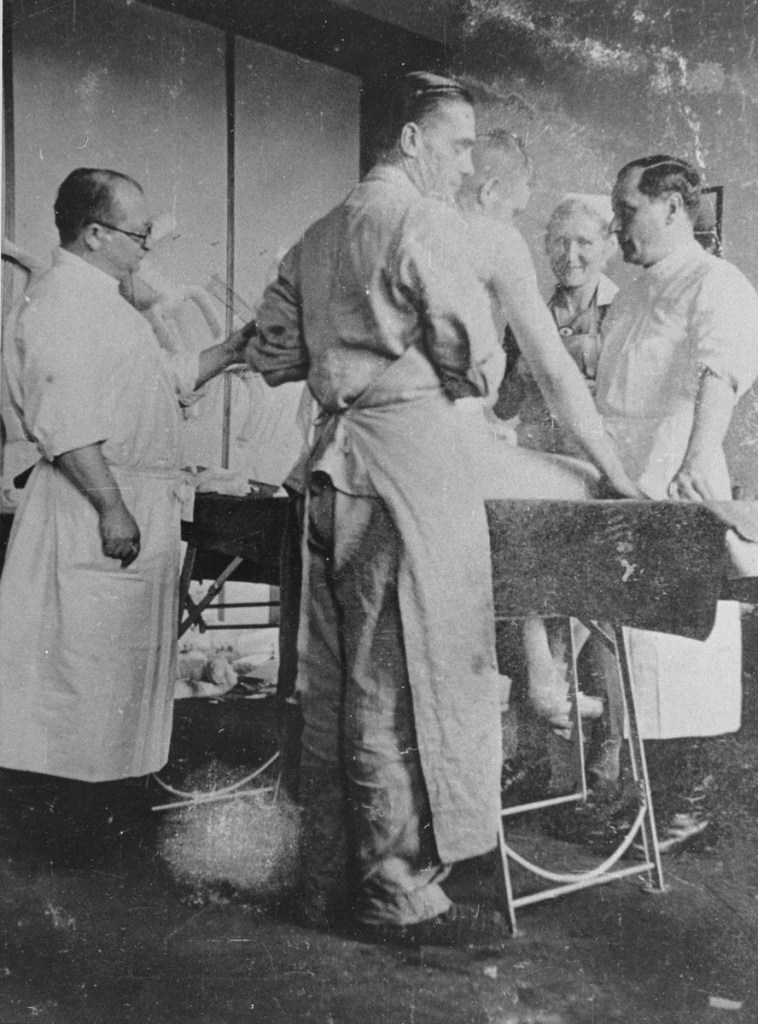
Again, these experiments were performed with a complete disregard for informed consent, beneficence, and non-maleficence, as well as dehumanizing patients. Thankfully, some justice was brought through the legal persecution of Nazi doctors and the establishment of the Nuremberg Code (1947), which enforced the need for research experiments to be voluntary and avoid suffering whenever possible.
Meanwhile, in the United States, a 40-year old research study called the Tuskegee Study of Untreated Syphilis was being conducted by the government between 1932 and 1972. In the study, 399 Black men who had late-latent syphilis were recruited without consent. How was a clinical study performed without the knowledge of participants? The U.S. Public Health Service actively deceived the African American participants, choosing to withold information of their actual diagnosis and telling the men they were being treated for “bad blood”. This ties back to a lack of informed consent by withholding critical information and providing false information.
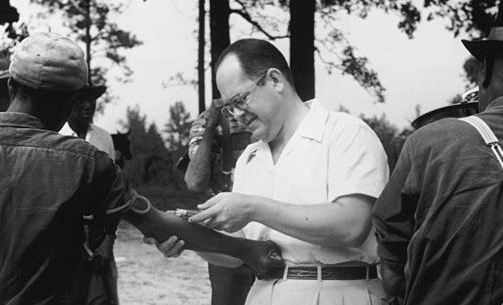
Furthermore, the subjects of the experiment were chosen from low-income areas, making them susceptible to incentives such as free meals and physical exams. Today, legal frameworks such as Common Rule (45 CFR 46) require additional safeguards when recruiting vulnerable populations such as pregnant women, children, and prisoners.
During World War II, subjects of the Tuskegee study were exempted from the draft to prevent the men from discovering their diagnosis during military physical exams, cementing the government’s deliberate concealment of patient information. Also, when the antibiotic penicillin became widely used, individuals in the study were actively prevented from receiving proper treatment. As a result, 28 men died directly from syphilis, and around a hundred more died from complications of the illness.
Shortly after details of the study were leaked in 1972, the Tuskegee Health Benefit Program (THBP) was established, providing free medical care to all living participants and their families. However, none of the doctors or government officials that led the study faced legal consequences.
Modern clinical studies must be strictly reviewed and approved by a review board (the IRB in the U.S.) before being performed on human subjects, aiming to prevent the ethical violations of the past. At the same time, the Tuskegee study reminds us to stay vigilant of human rights violations in clinical settings, even under government supervision.
But what about other animals? The use of animals in research is a heavily debated topic, opening a new dimension of bioethical thinking.
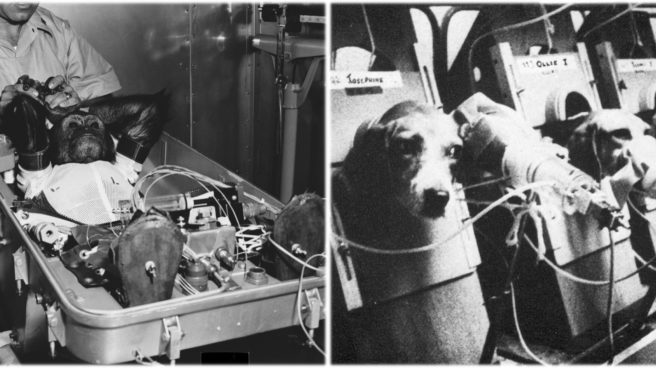
Every year, around 50 to 100 million animals are used in research worldwide. A majority of these animals are rodents, followed by fish, birds, and other mammals. What makes mice so popular for research? As mammals, they share many anatomical and genetic similarities with humans, making it useful to study disease and accurately predict the effects of toxic substances.
Also, they are cost-efficient to maintain, and reproduce in large numbers. Aside from effectiveness, there are many moral factors considered when selecting animals for research. This includes sentience (the ability to feel pleasure/pain), cognitive capacities, and sociability within a community. The Animals (Scientific Procedures) Act (1986) outlines that these ethical considerations must be outweighed by the potential benefit the experiment can provide to society. Historically, animal testing has paved the way for live-saving treatments for diseases such as polio and Hepatitis C. However, as modern technology advances, many argue that animal testing will become a source of unnecessary suffering, violating the principles of bioethics. Scientists have begun to use cultured cell lines for research, offering a more accessible approach. Still, isolated cell lines or organs often fail to replicate the complex relationships between organs and organ systems in living bodies. This brings us to discuss the ethical limitations of vivisections (invasive procedures on living animals).
Vivisections are legal in the U.S., but advocates against it argue they cause immense, unnecessary suffering and death for animals while providing few benefits for research.
While the use of animal subjects in potentially life-changing research is polarizing, animal testing for cosmetics is almost universally condemned.
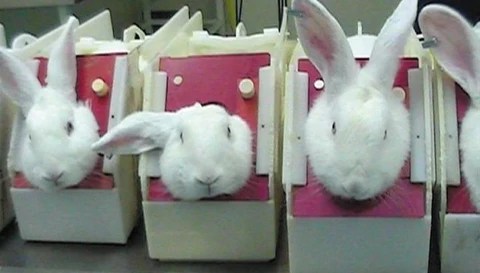

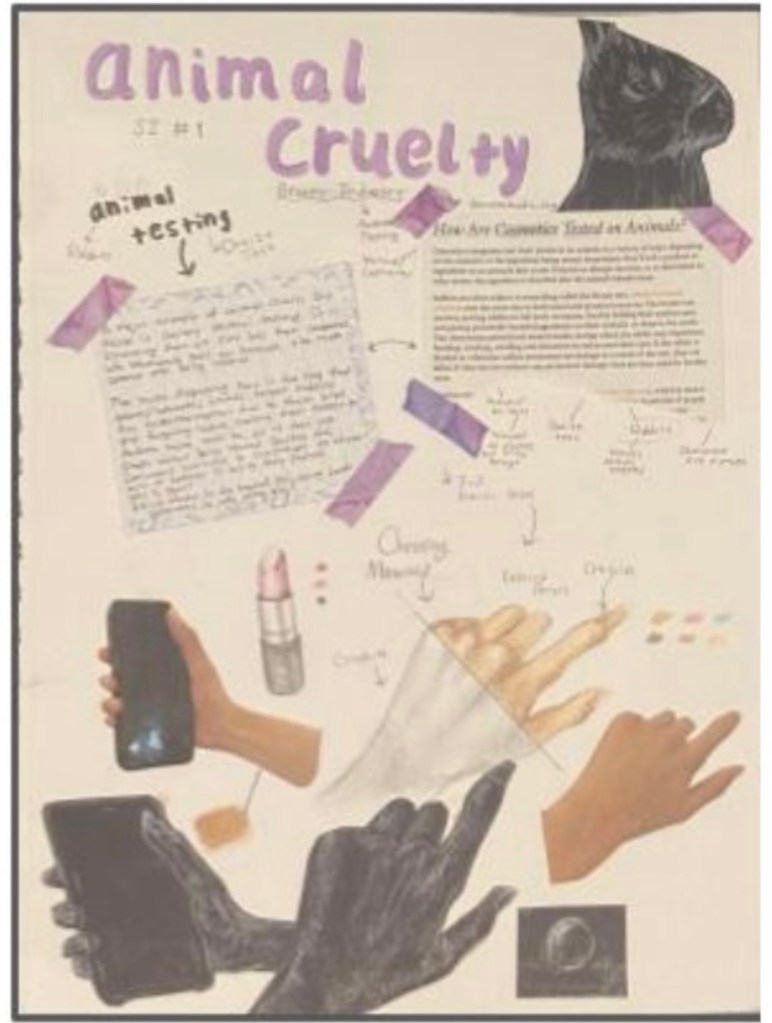
Hundreds of cosmetic brands, including multimillion dollar businesses, use animal testing for their products. This isn’t just putting eyeshadow on a bunny with a fluffy brush. It can involve highly invasive procedures such as inserting concentrated chemicals into the eyes of restrained animals and experiments designed to kill ~50% of the subject population. In the future, shifting away from testing on animals to in vitro cell lines whenever possible can help mitigate the moral weight of unethical procedures. In the meantime, ordinary consumers can be more mindful when purchasing from brands that test on animals. You can find a list of brands suspected of animal testing here.
Overall, by examining and publicizing past bioethical violations throughout history, we can optimize ongoing medical research and prevent future ethical offenses as technology advances, allowing for medical discovery without costing more lives.
*Informed Consent: A patient is given a thorough education in the risks, benefits, and procedure of a clinical treatment before agreeing to participate.
Sources:
Bryda, Elizabeth C. “The Mighty Mouse: The Impact of Rodents on Advances in Biomedical Research.” Missouri Medicine, vol. 110, no. 3, May 2013, p. 207, pmc.ncbi.nlm.nih.gov/articles/PMC3987984/.
CDC. “About the Untreated Syphilis Study at Tuskegee.” The U.S. Public Health Service Untreated Syphilis Study at Tuskegee, CDC, 4 Sept. 2024, http://www.cdc.gov/tuskegee/about/index.html.
“Experiences at the Human Experimentation Complex.” Pacific Atrocities Education, http://www.pacificatrocities.org/experiences-at-the-human-experimentation-complex.html.
“HIST 234 – Lecture 21 – the Tuskegee Experiment | Open Yale Courses.” Oyc.yale.edu, oyc.yale.edu/history/hist-234/lecture-21.
Kuhn, Anthony. “New Details Emerge about Japan’s Notorious WWII Germ Warfare Program.” NPR, 14 Aug. 2025, http://www.npr.org/2025/08/14/nx-s1-5497951/japan-germ-warfare-biological-wwii.
“Release of Data from Unethical Experiments | Ama-Coe.” Code-Medical-Ethics.ama-Assn.org, code-medical-ethics.ama-assn.org/ethics-opinions/release-data-unethical-experiments.
The Ethics of Research Involving Animals Use of the Term “Animal.”
Tyson, Peter. “NOVA Online | Holocaust on Trial | the Experiments.” Pbs.org, 2019, http://www.pbs.org/wgbh/nova/holocaust/experiside.html#alti.
United States Holocaust Memorial Museum. “The Nuremberg Code.” Ushmm.org, 2019, encyclopedia.ushmm.org/content/en/article/the-nuremberg-code.
Yang, Grace Danqing . “Cognitive Dissonance, Social Psychology, and Unit 731.” Www.brandeis.edu, Brandeis University, 2023, http://www.brandeis.edu/writing-program/write-now/2022-2023/yang-grace/index.html.


Leave a comment